
How to Choose the Best Vehicle Repair Center in Abu Dhabi
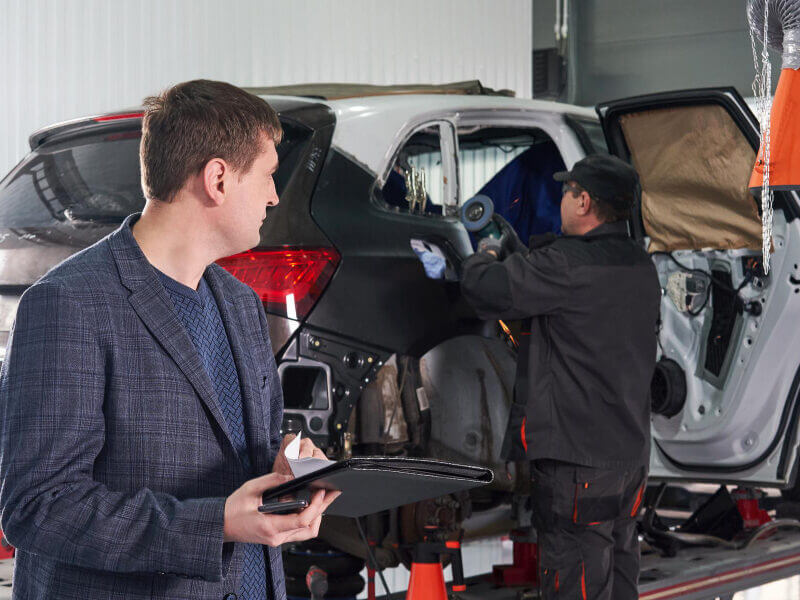
Finding a dependable Vehicle Repair Center is one of the most important decisions an Abu Dhabi driver can make. High temperatures, dusty roads, heavy traffic and frequent stop-and-go driving can place extra strain on the engine, battery, tires, air-conditioning system and other essential components. When something goes wrong, choosing a workshop based only on the lowest quotation can lead to repeated faults, unnecessary part replacements and higher repair costs.
A professional repair center should do more than fix an immediate problem. Its technicians should identify the actual cause, explain the required work clearly and help prevent the same issue from returning. Whether your car needs routine maintenance, computer diagnostics or a major mechanical repair, the following checks will help you make a more informed choice in Abu Dhabi.
Why choosing the right vehicle repair center matters
Modern vehicles combine mechanical parts with electronic control systems, sensors and onboard computers. A warning light, vibration or unusual noise may have several possible causes. Replacing a part without proper testing may hide the symptom temporarily while leaving the original fault unresolved.
A capable Vehicle Repair Center follows a structured process. The technician listens to the driver, inspects the vehicle, performs relevant tests and confirms the fault before recommending a repair. This approach reduces guesswork and gives the customer a clearer understanding of the work being authorized.
The right workshop can also support the long-term condition of your vehicle. Accurate service records, timely fluid changes and early identification of worn parts may improve reliability and help protect resale value. More importantly, professional attention to brakes, tires, steering and suspension contributes directly to safer driving.
Check the workshop’s diagnostic capabilities
Good diagnostics can save both time and money. A dashboard warning light does not always reveal the exact failed component. The fault code is a starting point that must be combined with inspection, live data and, when necessary, electrical or mechanical testing.
A properly equipped workshop may use computer scanning, battery testing, pressure testing, electrical testing and road checks to isolate a problem. For example, poor engine performance could be related to ignition, fuel delivery, airflow, sensors or a mechanical issue. Replacing parts one by one is not a reliable diagnostic strategy.
When comparing repair centers, ask what testing will be performed and whether you will receive an explanation of the findings. A trustworthy technician should be able to describe the fault in plain language without using technical terms to pressure you into an immediate decision.
Make sure the services match your needs
Not every workshop provides the same range of automotive services. Some focus on quick oil changes, while others handle complex mechanical and electrical repairs. Choosing a center with suitable expertise makes the process simpler, particularly when several vehicle systems need attention.
A full-service workshop may provide:
- Routine car maintenance and periodic servicing
- Engine diagnostics and mechanical repairs
- Brake inspection and repair
- Suspension and steering work
- Battery and auto-electrical services
- Car AC inspection and repair
- Oil, coolant and other fluid services
- Transmission checks and repairs
- Tire inspection and wheel-related services
- Pre-repair and post-repair road testing
Drivers looking for complete car maintenance in Abu Dhabi should confirm what is included in the requested service. An oil change alone is not the same as a full inspection. Ask whether the workshop will check fluid levels, filters, brakes, tires, battery condition, belts, hoses and visible leaks.
Ask for a written estimate before authorizing repairs
A clear estimate protects both the customer and the repair center. It should separate labor charges, replacement parts and any additional services. If diagnosis is charged separately, that should also be explained before work begins.
The cheapest estimate is not automatically the best value. A low quotation may exclude important labor, use a lower-grade part or cover only part of the fault. Compare what each estimate includes and ask whether the price could change after dismantling or further inspection.
Before approving the job, confirm:
- The diagnosed fault and recommended solution
- Parts that need replacement
- Whether parts are genuine, original-equipment quality or aftermarket
- Labor charges and expected completion time
- Warranty terms for parts and workmanship
- The process for approving unexpected work
A reliable Vehicle Repair Center should contact you before carrying out repairs beyond the agreed scope. Avoid giving open-ended approval unless the problem and likely costs have been clearly discussed.
Assess communication and customer service
Good communication is often a strong indicator of workshop quality. The service adviser should listen carefully, record the symptoms and ask when the problem occurs. Details such as whether a noise appears during braking, turning, acceleration or cold starts can help the technician reproduce the fault.
During the repair, the workshop should provide a realistic update if the diagnosis changes or a part is delayed. At collection, you should receive an explanation of the completed work, the final invoice and any maintenance recommendations.
Be cautious if a workshop:
- Pressures you to approve costly repairs immediately
- Refuses to explain diagnostic findings
- Cannot provide an itemized estimate
- Recommends several replacements without test results
- Adds work to the invoice without authorization
- Makes unrealistic promises about completion time
Professional service does not mean every repair will be simple. It means the process, cost and limitations are communicated honestly.
Check warranty and after-service support
Ask whether the repair includes a warranty and request the terms in writing. Coverage may differ between labor and replacement parts, and some components may carry a supplier warranty. You should know how long the coverage lasts, what it includes and what could invalidate it.
After-service support is equally important. If the original symptom returns, the repair a reliable workshop near me should inspect the vehicle and determine whether it is connected to the completed work. Keep the invoice, diagnostic report and service record because they provide useful evidence if a follow-up is required.
When should you visit a vehicle repair center?
Do not wait for a complete breakdown. Early diagnosis is usually easier when the symptom is still limited. Book an inspection if you notice:
- A dashboard warning light
- Unusual engine, brake or suspension noises
- Vibration through the steering wheel or body
- Reduced braking performance
- Fluid leaking beneath the vehicle
- Rising engine temperature
- Weak air-conditioning performance
- Slow starting or repeated battery problems
- Loss of power or poor fuel economy
- Pulling, uneven tire wear or steering changes
Stop driving and seek professional help when continuing could be unsafe, particularly with severe overheating, brake failure, heavy fluid loss or an oil-pressure warning. Driving a damaged vehicle can turn a manageable repair into major component failure.
Frequently asked questions
What services does a vehicle repair center provide?
A vehicle repair center may provide routine maintenance, computer diagnostics, engine repair, brake work, suspension repair, battery testing, electrical repairs, car AC service and fluid replacement. Services vary by workshop, so confirm that it has the equipment and experience required for your vehicle.
How do I find a reliable vehicle repair center in Abu Dhabi?
Check experience with your car’s make, diagnostic capability, written estimates, part options, warranty terms and recent customer reviews. Visit or call the workshop before booking and ask how it confirms faults and obtains approval for extra work.
Should I choose the cheapest repair estimate?
Not without comparing the scope. One quotation may include diagnostic testing, quality parts and warranty coverage while another includes only a temporary repair. Compare the proposed solution, part grade, labor and warranty rather than the final figure alone.
How often should I take my car for maintenance in Abu Dhabi?
Follow the manufacturer’s time and mileage schedule. Abu Dhabi heat, dust, short journeys and heavy traffic may justify more frequent inspections for oil, filters, coolant, battery, tires and air conditioning. Ask a qualified technician to recommend an interval based on your model and driving conditions.
Can a repair center diagnose dashboard warning lights?
Yes, if it has suitable diagnostic equipment and trained technicians. A scan can retrieve fault codes, but accurate diagnosis may also require live-data analysis, visual inspection and electrical or mechanical tests.
What should be included in a repair estimate?
The estimate should identify the fault, recommended repair, labor charge, required parts, part quality, taxes where applicable and expected completion time. It should also explain whether further work may be needed after inspection or dismantling.
Does every vehicle repair center provide a warranty?
Warranty policies differ. Ask for written information covering the repair, replacement parts and labor. Confirm the coverage period and the procedure to follow if the same problem returns.
Book professional vehicle inspection in Abu Dhabi
Choosing the right repair center means looking beyond price and proximity. Skilled technicians, accurate diagnostics, clear estimates, suitable parts and written warranty terms give you greater confidence in the repair.
OBD Auto Repair provides vehicle maintenance and repair services for drivers in Abu Dhabi. If your car has a warning light, unusual noise, fluid leak or performance problem, arrange an inspection at the Abu Dhabi workshop in Musaffah and let the team identify the cause before it develops into a larger repair.